Retirement planning is about more than achieving strong investment returns. It also involves managing risk, making the most of superannuation opportunities and ensuring trusted people can make decisions on your behalf if needed. This edition explores the often-overlooked challenge of sequence risk, the benefits of superannuation contribution splitting for couples, and the critical role enduring guardianship plays in effective incapacity planning. Taking the time to review these areas can help improve retirement outcomes and provide greater confidence for you and your family.
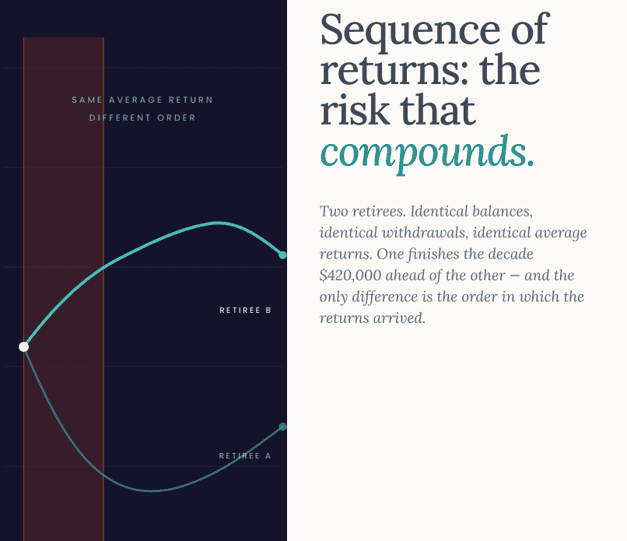
Sequence of Returns: The Retirement Risk That Compounds
Two retirees can achieve identical average investment returns yet experience vastly different retirement outcomes because of the order in which those returns occur. Early market declines can have a lasting impact when withdrawals are taken from a shrinking portfolio during retirement. This risk, known as sequence risk, is most significant in the years immediately before and after retirement when balances are at their highest. Strategies such as cash buffers, spending flexibility and diversified income sources can help reduce the impact of unfavourable market conditions.
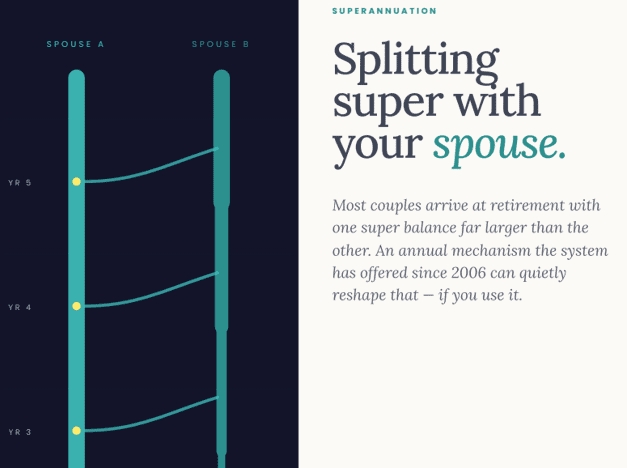
Splitting Super With Your Spouse
Many couples reach retirement with significantly different superannuation balances due to career breaks, part-time work and income differences throughout their working lives. Contribution splitting allows up to 85% of concessional contributions to be redirected to a spouse’s super account in the following financial year. Used consistently, this strategy can help balance super accounts, improve retirement flexibility and preserve access to valuable contribution opportunities. It may also assist couples in managing transfer balance cap and Division 296 tax considerations over the long term.
Enduring Guardianship: The Other Document You Need
Many Australians have a financial power of attorney but have not appointed someone to make personal and health decisions if they lose capacity. Enduring guardianship addresses this gap by authorising a trusted person to make lifestyle, care and, in some jurisdictions, medical decisions when required. The document complements financial and estate planning arrangements and can help families avoid uncertainty during difficult circumstances. Choosing the right guardian and naming an appropriate backup are critical decisions that deserve careful consideration.
Q & A
- Can I stop pension payments during a market downturn?
Account-based pensions must meet minimum annual drawdown requirements, but retirees may be able to fund additional spending from assets held outside super.
- Is contribution splitting still worthwhile at age 58?
Contribution splitting may still provide meaningful benefits at age 58, although additional strategies may be required to address larger balance differences.
- What happens if my attorney or guardian loses capacity first?
If no alternate is appointed, the arrangements may fail and family members may need to rely on statutory processes or tribunal appointments.