Many retirees focus on investment returns and superannuation balances, but successful retirement planning requires a broader perspective. This newsletter examines the implications of living longer than previous generations, reviews whether Transition to Retirement strategies still offer value in today’s environment, and discusses the important considerations involved in winding up an SMSF. Taking the time to understand these issues can help ensure your retirement strategy remains aligned with your goals, lifestyle and financial needs throughout the years ahead.
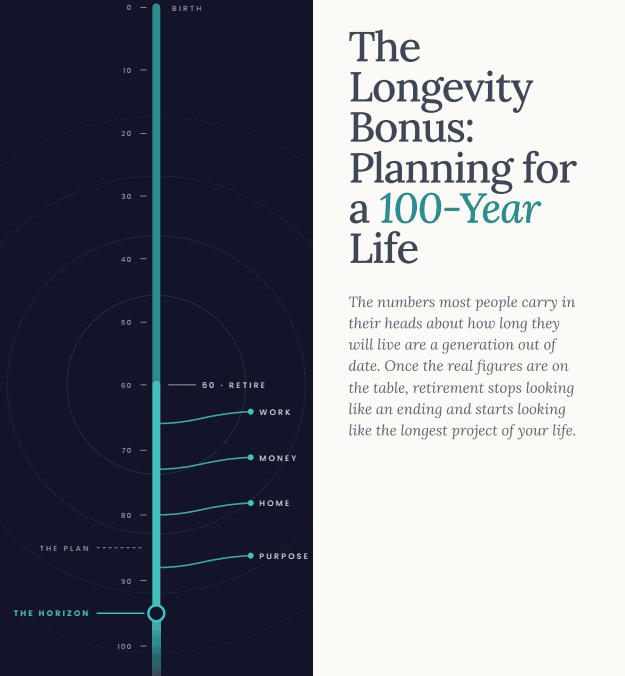
The Longevity Bonus: Planning for a 100-Year Life
Many Australians underestimate how long retirement may last because they rely on life expectancy figures that do not reflect their current age and circumstances. For many couples retiring today, a planning horizon to age 95 is more realistic than age 85. A longer life requires thoughtful planning around work, spending, housing and personal purpose rather than focusing solely on investment returns. Viewing retirement as a multi-decade life project can help create more meaningful and sustainable long-term outcomes.
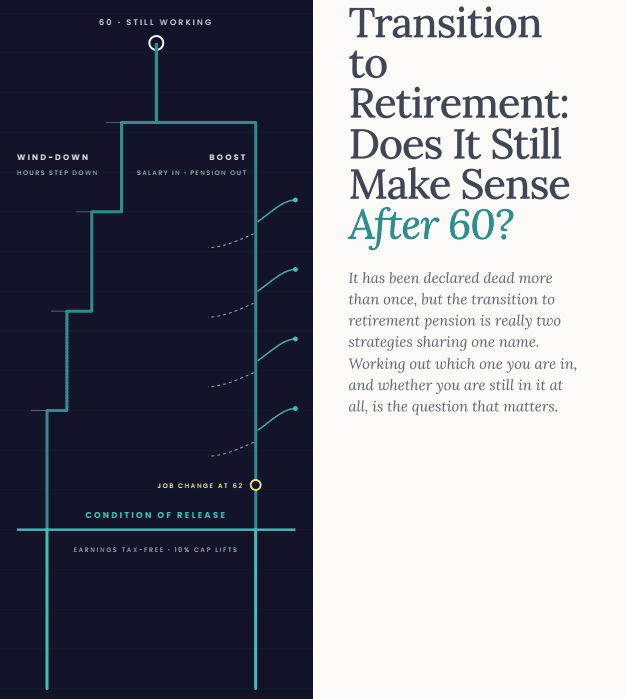
Transition to Retirement: Does It Still Make Sense After 60?
Transition to retirement pensions remain valuable, but the benefits depend on how the strategy is being used and an individual’s circumstances. Some retirees use the strategy to reduce working hours while maintaining income, while others use it to improve tax efficiency through salary sacrifice. Recent changes to contribution caps, tax rates and payday super rules have altered the planning considerations. Many people over 60 may also have met a condition of release without realising it, creating opportunities to improve outcomes.
Winding Up an SMSF: Knowing When the Fund Has Done Its Job
Many self-managed super funds eventually reach a point where the costs and responsibilities outweigh the benefits they once provided. Death, incapacity, declining balances and changing family circumstances are common triggers for reviewing whether an SMSF remains appropriate. Before deciding to close a fund, trustees should consider whether simplification options could deliver similar benefits with less complexity. Where a wind-up is appropriate, careful planning can help avoid unnecessary tax, administrative issues and family stress.
Q & A
- Do my unused concessional caps expire?
Unused concessional cap amounts can be carried forward for five years before they expire if not used, subject to conditions.
- How much inheritance can I contribute to super?
Depending on age and total super balance, eligible individuals may contribute up to $390,000 using the bring-forward rules.
- What is my fund’s retirement income strategy?
Super funds must maintain a retirement income strategy, but receiving information about it does not require any action.
- Do I need a tax return if my only income is a super pension?
Many retirees receiving only tax-free super pension income may not need to lodge a tax return, subject to other income sources and circumstances.
- What changes with payday super?
Payday super increases contribution visibility and may affect how concessional contribution caps are managed throughout the year.